Research highlights
The full list is on the publications page.
Positioning manuscripts in the scientific landscape with agentic AI
pre-print2026
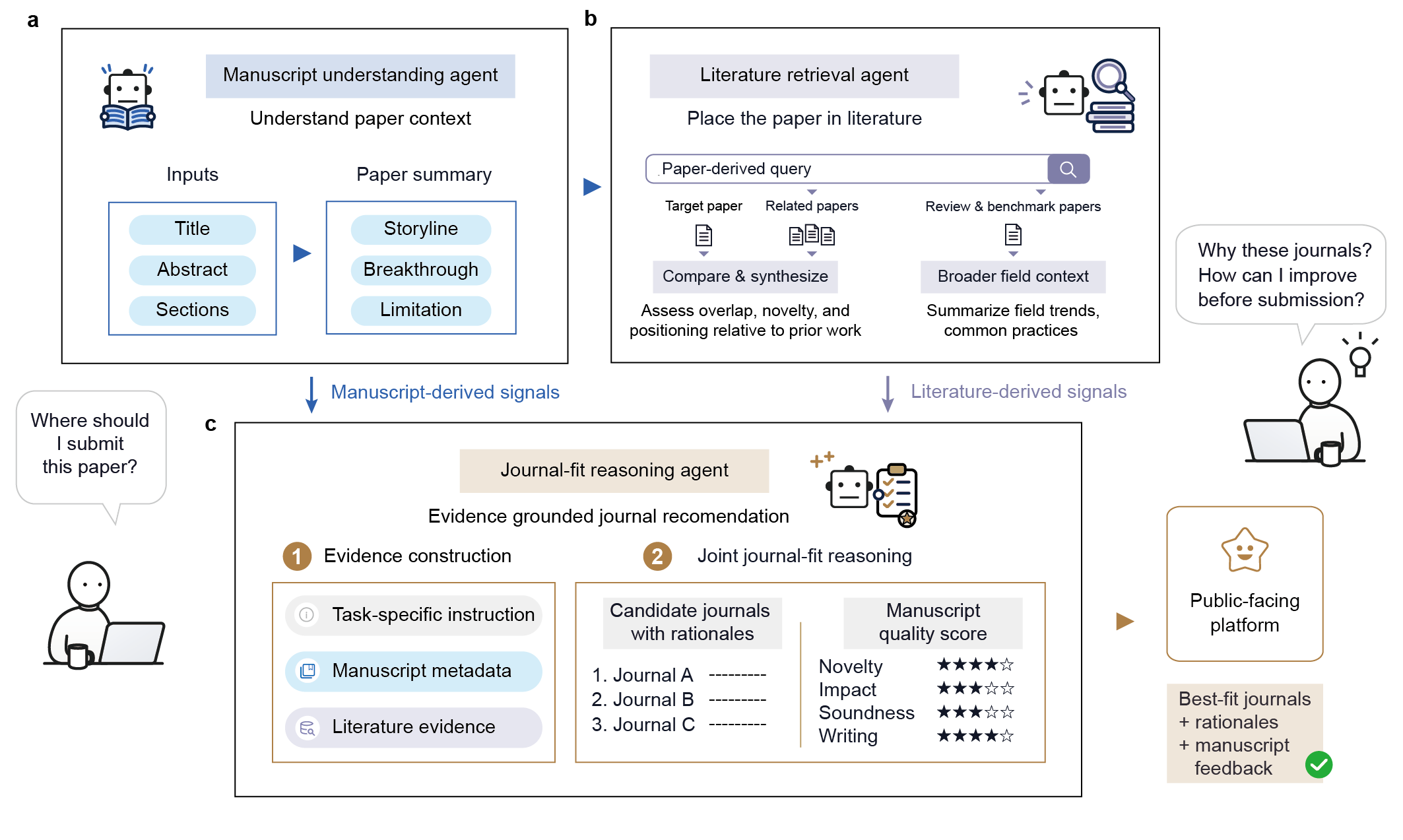
An agentic AI system that recommends where to submit a manuscript, with evidence-grounded rationales. A manuscript understanding agent summarizes the paper's storyline, breakthrough and limitations; a literature retrieval agent places it among related, review and benchmark papers; and a journal-fit reasoning agent combines these signals to suggest best-fit journals with rationales and feedback on novelty, impact, soundness and writing, delivered through a public-facing platform.
Investigating spatial dynamics in spatial omics data with StarTrail
Journal of the American Statistical Association (2026): 1–12
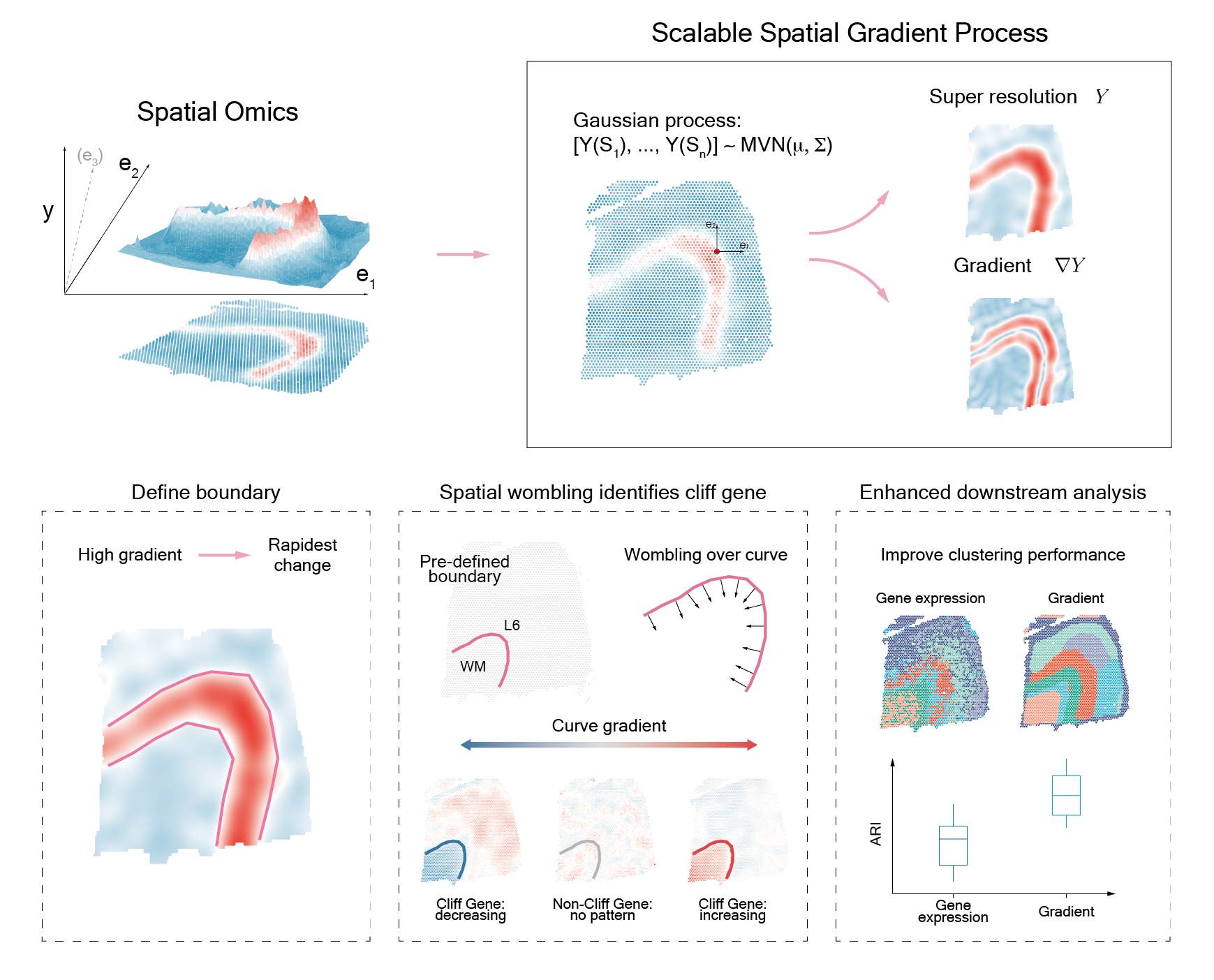
Existing methods fail to capture localized, sharp changes characteristic of critical events such as tumor development. StarTrail is the first to leverage spatial gradients to define rapidly changing regions, quantify directional dynamics, and detect “cliff genes” — genes with drastic expression changes at highly localized or disjoint boundaries. Across multiple datasets, StarTrail accurately delineates boundaries (e.g., brain layers, tumor–immune boundaries) and detects cliff genes that may regulate molecular crosstalk at these boundaries.
STimage-1K4M: A histopathology image-gene expression dataset for spatial transcriptomics
Thirty-eighth Conference on Neural Information Processing Systems (NeurIPS 2024)
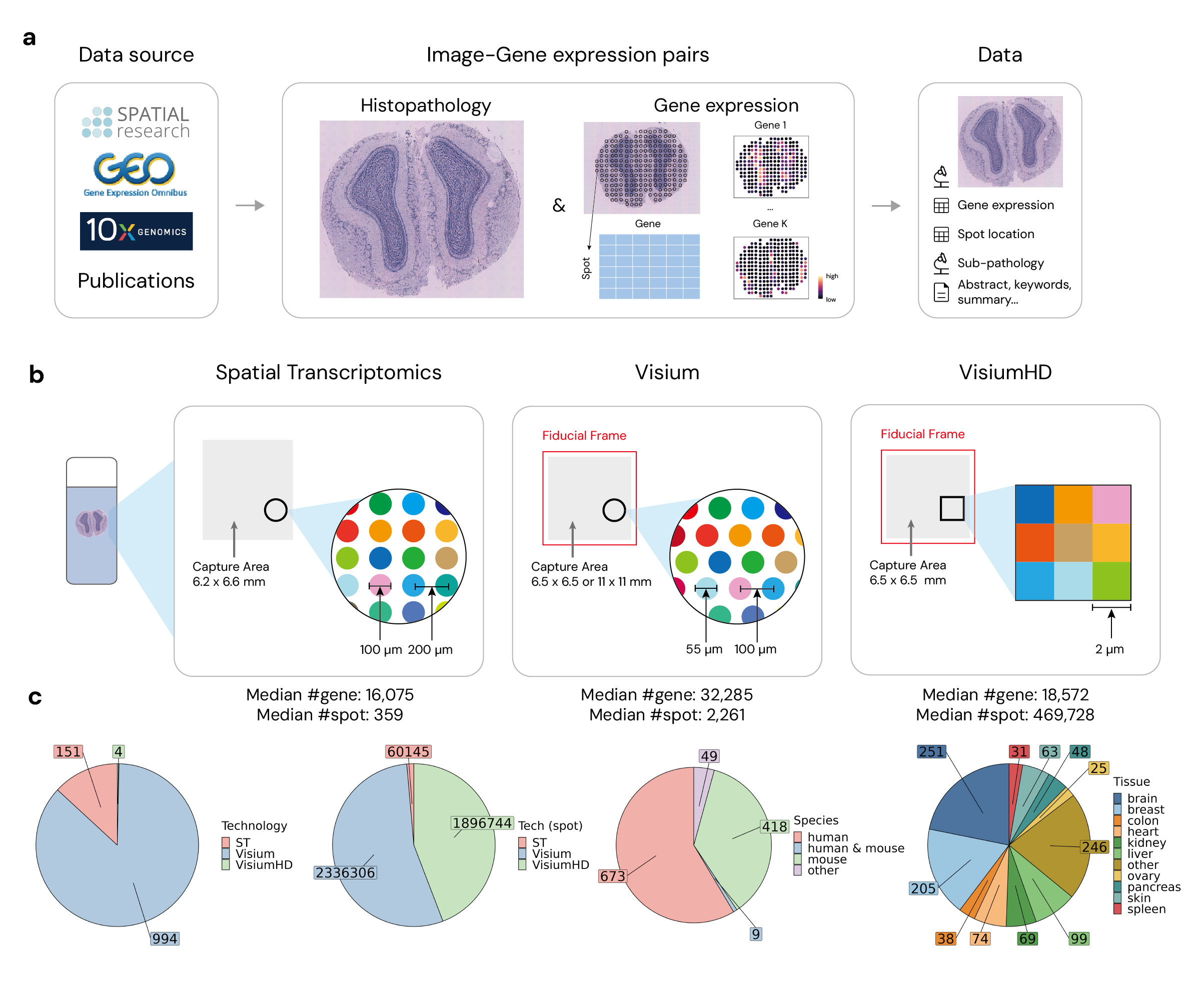
A dataset of 1,149 images derived from spatial transcriptomics data, capturing gene expression at the level of individual spatial spots within a pathology image. Each image is broken into sub-image tiles paired with 15,000–30,000 dimensional gene expression — 4,293,195 image–expression pairs in total — enabling multi-modal research in computational pathology and beyond.
>300,000 downloads on HuggingFace as of Oct 2026
Cell composition inference and identification of layer-specific spatial transcriptional profiles with POLARIS
Science Advances, 9(9), eadd9818, 2023
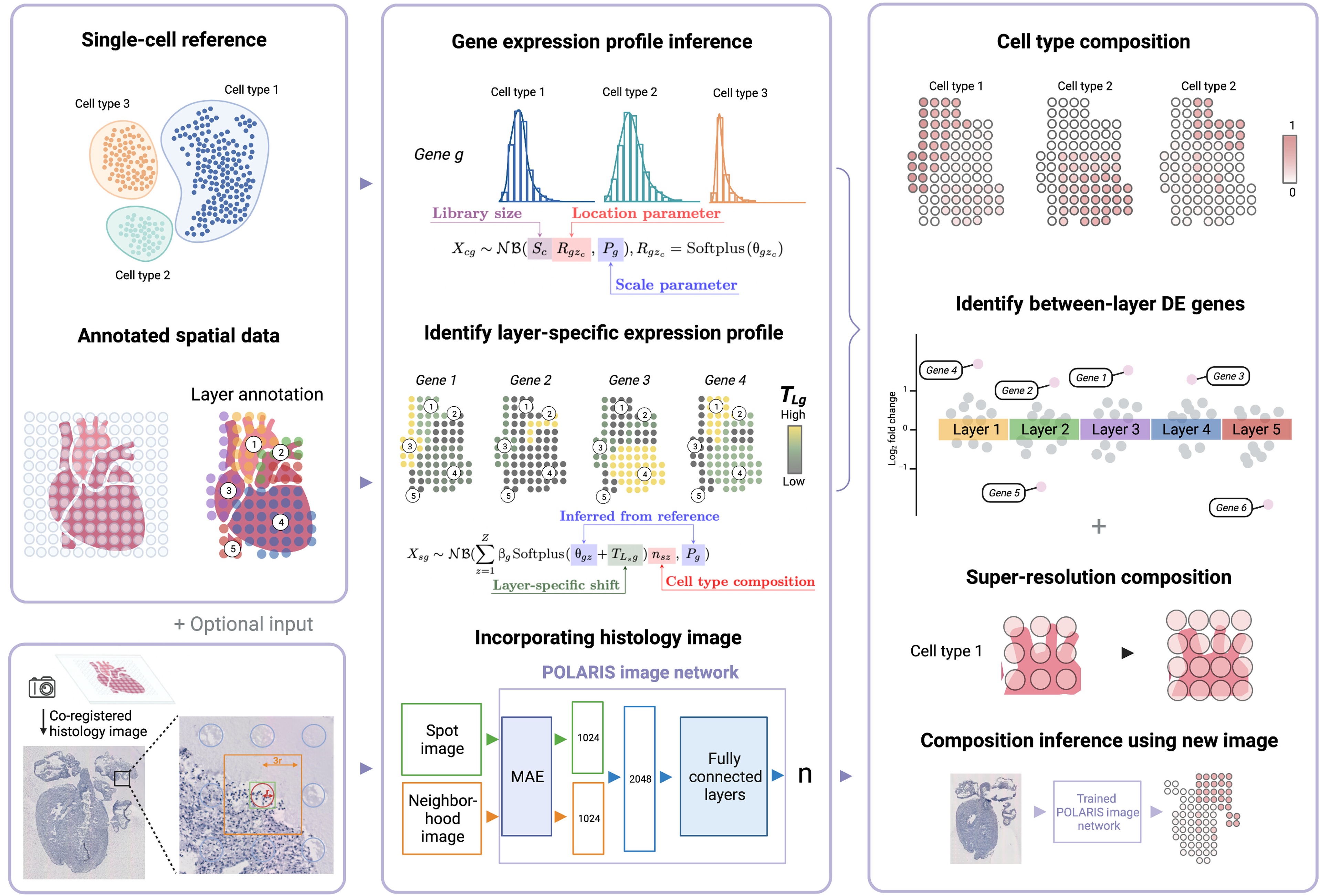
A versatile spatial transcriptomics method for cell-type deconvolution, identification of anatomical or functional layer-wise differentially expressed (LDE) genes, and cell composition inference from histology images. Across four tissues, POLARIS achieves high deconvolution accuracy, predicts cell composition from images alone, and identifies biologically meaningful LDE genes.
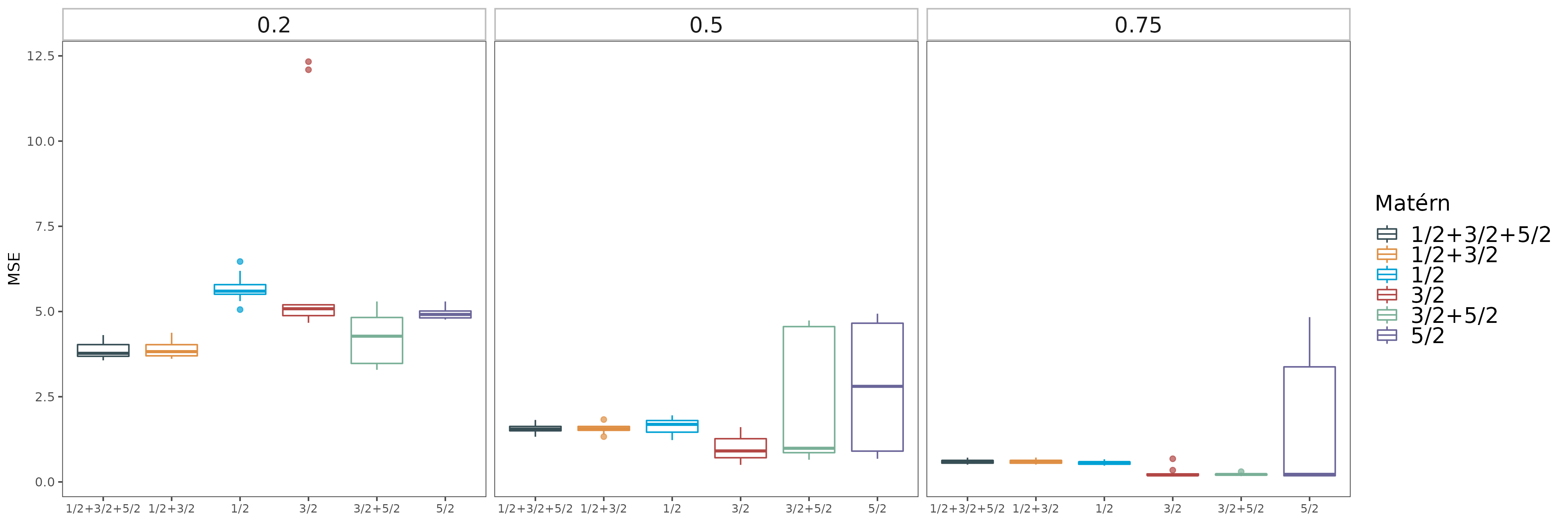
On the Identifiability and Interpretability of Gaussian Process Models
Thirty-seventh Conference on Neural Information Processing Systems (NeurIPS 2023)
We critically examine the prevalent practice of using additive mixtures of Matérn kernels in single-output Gaussian process models, and explore the properties of multiplicative mixtures of Matérn kernels for multi-output GP models.